
Introduction
Electricity has become a basic necessity in modern life, powering everything from lights and fans to Wi-Fi routers, refrigerators, and medical devices. However, unexpected power cuts are still common in many regions, creating inconvenience and sometimes even financial loss. This is where a portable power station for home backup becomes an increasingly popular and practical solution.
A portable power station for home backup is a compact, rechargeable energy storage system designed to supply electricity during outages or off-grid situations. Unlike traditional generators, it operates quietly, produces no fumes, and can be used safely indoors. As households look for cleaner and more flexible energy solutions, portable power stations are emerging as a smart investment for continuous electricity supply.
What Is a Portable Power Station for Home Backup
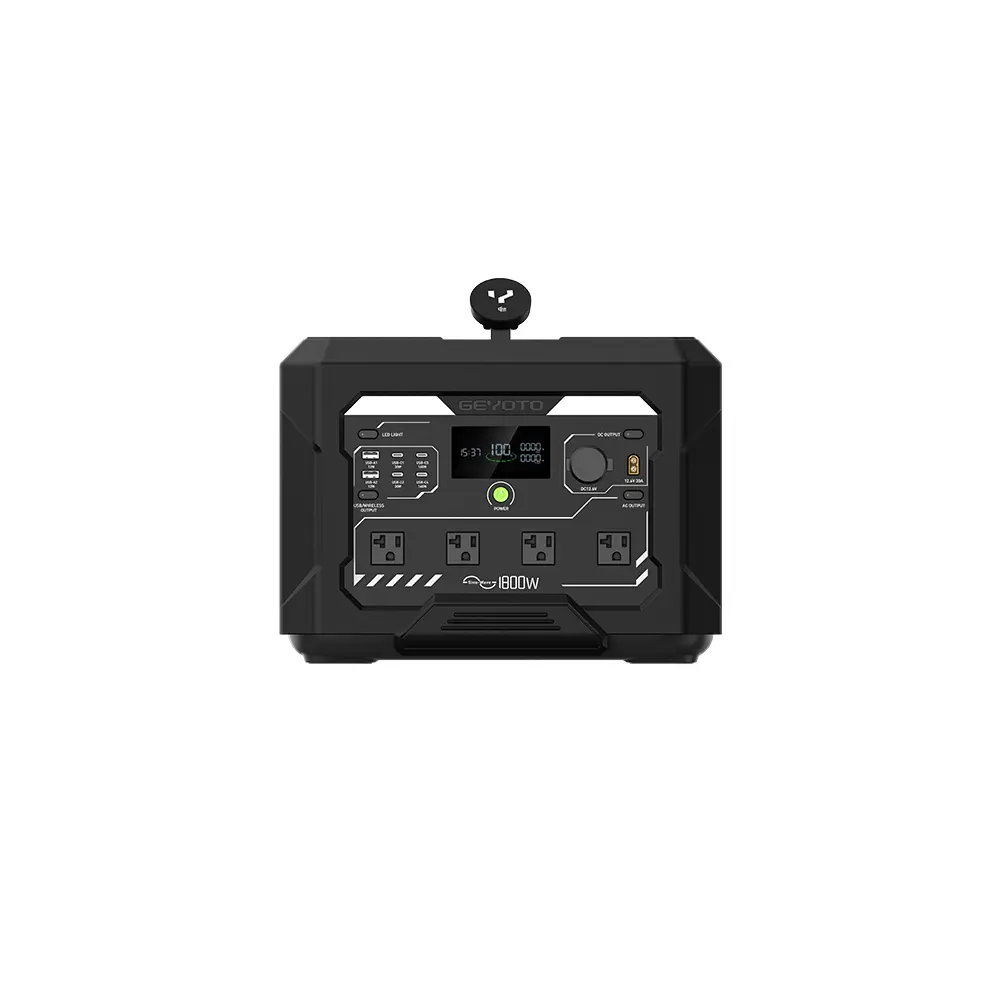
A portable power station is essentially a large rechargeable battery equipped with multiple output ports such as AC outlets, USB ports, and DC outputs. It stores electricity from a wall socket, solar panels, or car charging and releases it when needed.
When used as a portable power station for home backup, it can power essential household devices during load shedding or unexpected outages. Depending on its capacity, it can run small devices like phones and routers or larger appliances like TVs and mini-fridges.
Popular brands such as EcoFlow, Anker, and Jackery have made these systems more efficient, lightweight, and user-friendly, making them accessible for everyday home use.
Why Portable Power Station for Home Backup Is Becoming Essential
The increasing demand for uninterrupted electricity has made the portable power station for home backup an essential part of modern households. There are several reasons behind this growing trend.
First, power outages are unpredictable. Whether caused by weather conditions, grid failures, or maintenance issues, electricity disruptions can occur at any time. A portable power station ensures that critical devices keep running without interruption.
Second, it offers a safer alternative to fuel-based generators. Traditional generators require petrol or diesel, produce noise, and release harmful fumes. In contrast, a portable power station operates silently and produces zero emissions, making it suitable for indoor use.
Third, it is highly versatile. You can use the same unit for home backup, outdoor camping, travel, or even fishing trips, making it a multi-purpose investment.
Key Benefits of Portable Power Station for Home Backup
One of the main advantages of a portable power station for home backup is its ease of use. There is no complex installation required. You simply charge it and plug in your devices when needed.
Another major benefit is portability. Unlike heavy generators, these systems are lightweight and easy to carry. This means you can move them from room to room or even take them outdoors.
Battery technology has also improved significantly. Modern lithium-ion and LiFePO4 batteries provide longer life cycles, faster charging, and better energy efficiency. This makes the portable power station for home backup a long-term investment rather than a temporary solution.
Additionally, these systems require very little maintenance. There is no need for fuel storage, oil changes, or mechanical servicing, which reduces long-term costs.
How Portable Power Station for Home Backup Works
The working principle of a portable power station for home backup is simple yet effective. It stores electrical energy in an internal battery and converts it into usable AC or DC power when required.
There are three main ways to charge it:
Solar panels allow users to harness renewable energy, making it an eco-friendly option.
Wall outlets provide fast and convenient charging when electricity is available.
Car charging is useful during travel or emergencies when other sources are not accessible.
Once charged, the system can power multiple devices simultaneously depending on its output capacity.
Choosing the Right Portable Power Station for Home Backup
Selecting the right portable power station for home backup depends on your energy needs and usage habits.
Capacity is the most important factor. Measured in watt-hours (Wh), it determines how long the device can run your appliances. For example, a small unit may run lights and phones, while a larger one can support refrigerators and fans.
Power output is another key consideration. You must ensure the station can handle the wattage of your devices.
Battery type also matters. Lithium iron phosphate (LiFePO4) batteries last longer and are safer compared to traditional lithium-ion batteries.
Port selection is equally important. A good portable power station should include AC outlets, USB-C ports, and DC outputs for maximum flexibility.
Real-Life Uses of Portable Power Station for Home Backup
The portable power station for home backup is useful in many everyday situations.
During load shedding, it can keep essential appliances running, such as lights, Wi-Fi routers, and fans. This helps maintain comfort and productivity at home.
For remote work or online learning, it ensures that laptops and internet connections remain active during outages.
It is also helpful for medical equipment that requires continuous power, providing peace of mind for families with health concerns.
Beyond home use, it becomes an excellent companion for outdoor activities such as camping or road trips, where access to electricity is limited.
Environmental and Economic Advantages
A portable power station for home backup is not only practical but also environmentally friendly. Since it relies on rechargeable batteries and can be paired with solar panels, it reduces dependence on fossil fuels.
This contributes to lower carbon emissions and supports sustainable energy use.
Economically, it can also reduce long-term electricity costs. By charging during off-peak hours or using solar energy, users can save money while ensuring reliable backup power.
Future of Portable Power Station for Home Backup
The future of the portable power station for home backup looks promising as technology continues to evolve. Battery efficiency is improving, charging times are getting shorter, and capacities are increasing.
In the coming years, we can expect smarter systems with app-based monitoring, AI energy management, and even integration with home solar systems.
As renewable energy adoption grows, portable power stations will play a key role in decentralized energy storage for households worldwide.
Conclusion
A portable power station for home backup is more than just a backup device; it is a reliable, eco-friendly, and cost-effective energy solution for modern living. It ensures continuous electricity supply during outages, supports multiple devices, and offers flexibility for both indoor and outdoor use.
With rising energy demands and unpredictable power conditions, investing in a portable power station is becoming less of a luxury and more of a necessity. Whether for home, work, or travel, it provides peace of mind and uninterrupted power whenever it is needed most.
