
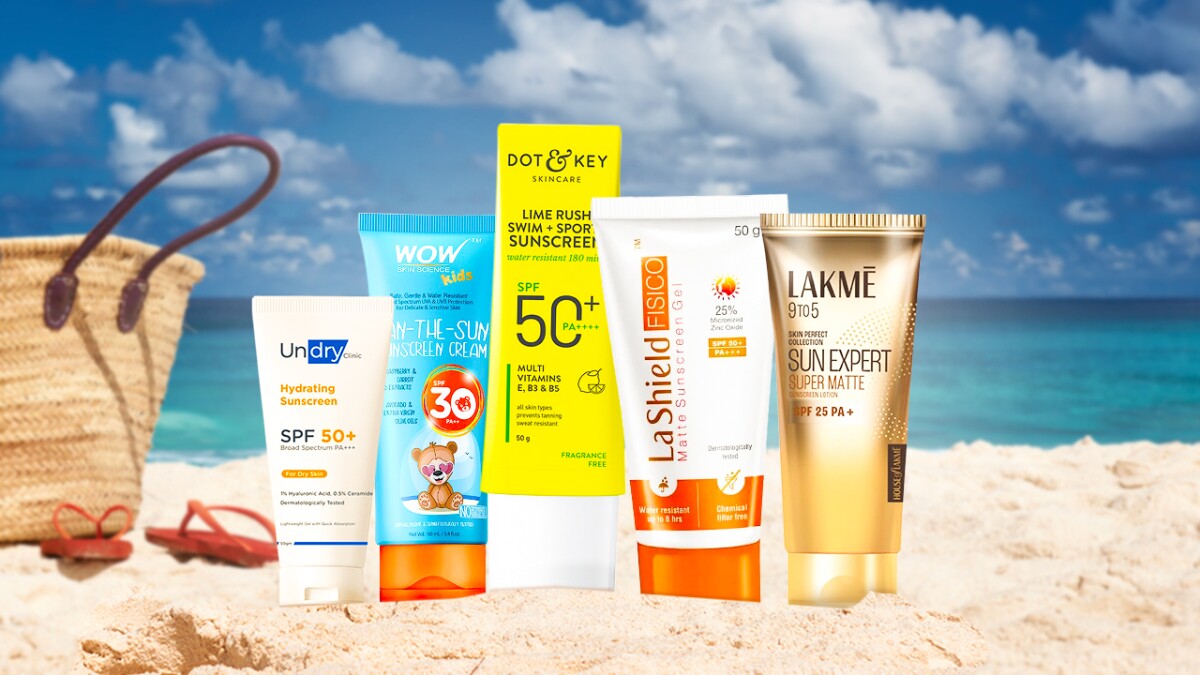
Sunscreen is no longer just a beach-day essential—it is a daily skincare must-have. Whether you are dealing with dryness, oiliness, sensitivity, or acne-prone skin, choosing the right sunscreen can make a significant difference. With so many options available, finding sunscreen the best for your specific skin type may feel overwhelming. This guide breaks it down clearly so you can protect your skin effectively while maintaining a healthy, radiant look.
Why Sunscreen Matters for Every Skin Type
Sun exposure is one of the leading causes of premature aging, hyperpigmentation, and skin damage. Ultraviolet (UV) rays penetrate the skin even on cloudy days, making daily sunscreen application essential.
Using sunscreen the best option for your skin type helps prevent:
Sunburn and Skin Damage
UVB rays cause sunburn, while UVA rays penetrate deeper and contribute to aging. A good sunscreen provides broad-spectrum protection against both.
Premature Aging
Fine lines, wrinkles, and age spots often result from prolonged sun exposure. Daily sunscreen use helps maintain youthful skin.
Risk of Skin Conditions
Consistent use of sunscreen reduces the risk of serious skin concerns, including skin cancer and chronic sun damage.
Understanding Different Types of Sunscreens
Before choosing sunscreen the best for your skin, it is important to understand the main types available.
Chemical Sunscreens
These absorb UV rays and convert them into heat. They are lightweight and blend easily into the skin, making them ideal for daily use.
Mineral (Physical) Sunscreens
These sit on the skin’s surface and reflect UV rays. Ingredients like zinc oxide and titanium dioxide are common. They are often better for sensitive skin.
Hybrid Sunscreens
A combination of chemical and mineral formulas, offering balanced protection and texture.
Sunscreen the Best Options for Oily Skin
Oily skin requires lightweight and non-comedogenic products that do not clog pores or add extra shine.
Look for Oil-Free Formulas
Gel-based or water-based sunscreens are ideal. They absorb quickly and leave a matte finish.
Choose Non-Comedogenic Products
This ensures that the sunscreen does not block pores or trigger breakouts.
Matte Finish Is Key
Products labeled as “matte” or “oil control” help reduce shine throughout the day.
Sunscreen the Best Options for Dry Skin
Dry skin benefits from sunscreens that offer hydration along with protection.
Hydrating Ingredients Matter
Look for ingredients like hyaluronic acid, glycerin, or ceramides that lock in moisture.
Cream-Based Formulas
These provide a richer texture and help prevent flakiness or tightness.
Avoid Alcohol-Based Products
They can further dry out the skin and cause irritation.
Sunscreen the Best Options for Sensitive Skin
Sensitive skin needs gentle formulations that minimize irritation.
Mineral Sunscreens Are Ideal
Zinc oxide and titanium dioxide are less likely to cause reactions.
Fragrance-Free Is Essential
Added fragrances can trigger redness and discomfort.
Hypoallergenic Formulas
Choose products specifically labeled for sensitive skin to reduce the risk of irritation.
Sunscreen the Best Options for Acne-Prone Skin
Finding sunscreen the best for acne-prone skin can be tricky, but the right choice can actually improve your skin.
Lightweight and Breathable
Gel or fluid sunscreens work best as they do not feel heavy on the skin.
Non-Comedogenic Label
This ensures the product will not clog pores.
Added Skin Benefits
Some sunscreens include ingredients like niacinamide that help soothe and reduce breakouts.
Sunscreen the Best Options for Combination Skin
Combination skin requires a balanced formula that addresses both oily and dry areas.
Lightweight Yet Hydrating
A lotion-based sunscreen often works well for combination skin types.
Avoid Extreme Formulas
Stay away from overly greasy or overly drying products.
Multi-Functional Products
Sunscreens that include moisturizing and mattifying properties are ideal.
SPF: How Much Protection Do You Need?
SPF, or Sun Protection Factor, indicates how well a sunscreen protects against UVB rays.
SPF 30 vs SPF 50
SPF 30 blocks about 97% of UVB rays, while SPF 50 blocks about 98%. The difference is small, but higher SPF offers slightly more protection.
Daily Use Recommendation
Dermatologists recommend using at least SPF 30 for everyday wear.
Reapplication Is Crucial
No matter how high the SPF, reapplying every two hours ensures continuous protection.
How to Apply Sunscreen Correctly
Even sunscreen the best product will not be effective if not applied properly.
Use the Right Amount
Apply about a nickel-sized amount for the face and a shot-glass amount for the body.
Apply Before Sun Exposure
Put sunscreen on at least 15–20 minutes before going outside.
Don’t Miss Key Areas
Commonly missed spots include ears, neck, hands, and feet.
Common Mistakes to Avoid
Many people use sunscreen incorrectly, reducing its effectiveness.
Skipping Sunscreen on Cloudy Days
UV rays can penetrate clouds, so daily use is essential.
Not Reapplying
Sweat, water, and time reduce sunscreen effectiveness.
Using Expired Products
Old sunscreen may not provide adequate protection.
Choosing Sunscreen the Best for Your Lifestyle
Your daily routine also plays a role in selecting the right sunscreen.
For Outdoor Activities
Choose water-resistant formulas that last longer during sweating or swimming.
For Makeup Wearers
Opt for lightweight sunscreens that layer well under makeup.
For Busy Schedules
Spray or stick sunscreens offer convenient reapplication on the go.
Final Thoughts on Sunscreen the Best Choices
Finding sunscreen the best for your skin type does not have to be complicated. By understanding your skin’s needs and choosing the right formulation, you can enjoy effective sun protection without compromising comfort or appearance.
Consistency is the most important factor. Applying sunscreen daily, regardless of weather or season, ensures long-term skin health. Whether your skin is oily, dry, sensitive, or acne-prone, there is a perfect sunscreen out there for you.
