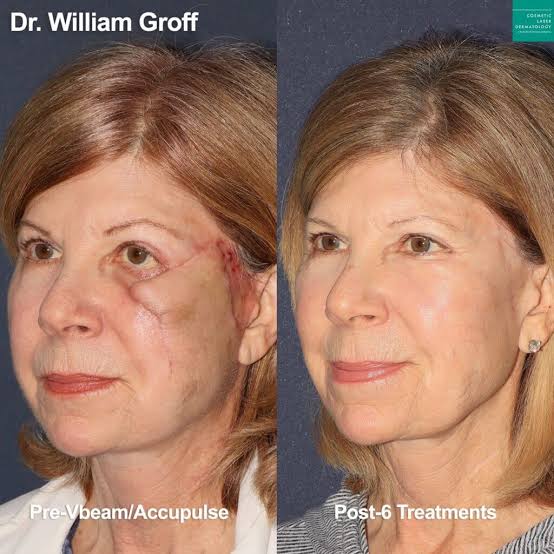

Scars are a natural part of the skin’s healing process, but they can sometimes remain visible long after an injury, surgery, acne breakout, or other skin condition Laser Scar Removal has healed. While scars cannot always be erased completely, modern dermatology offers several treatments that can make them less noticeable. Among these options, Laser Scar Removal has become a popular approach because it can improve skin texture, tone, and the overall appearance of many types of scars.
What Is Laser Scar Removal?
Laser Scar Removal uses focused beams of light to target areas of damaged or scarred skin. Depending on the type of laser used, treatment may remove damaged outer layers of skin, stimulate collagen production, or target redness and uneven pigmentation.
Rather than simply removing a scar instantly, laser treatment encourages the skin to remodel itself. Over time, new collagen and elastin can help create a smoother and more even appearance. The exact technique depends on the scar’s type, depth, location, and the individual’s skin characteristics.
How Does Laser Scar Treatment Work?
Different laser technologies work in different ways. Ablative lasers remove controlled amounts of the outer skin layer, encouraging new skin to form during the healing process. Non-ablative lasers work deeper within the skin without removing the surface layer, stimulating collagen production while generally requiring less downtime.
Fractional lasers treat microscopic columns of skin while leaving surrounding tissue intact. This approach can support faster healing and is commonly considered for certain acne scars, surgical scars, and other textural irregularities.
A dermatologist typically evaluates the scar before recommending a specific laser. Several treatment sessions may be necessary, and improvements usually develop gradually rather than immediately.
Treating Acne Scars With Lasers
Acne scars are among the most common reasons people consider laser treatment. They can include depressed scars, uneven skin texture, and changes in skin color that remain after acne has healed.
For certain depressed acne scars, fractional laser treatments may stimulate collagen and improve the uneven texture. However, deeper or tethered scars may require a combination of procedures rather than laser treatment alone.
Laser treatment may also help improve discoloration associated with previous acne. A dermatologist can determine whether the main concern is pigmentation, texture, or both and select an appropriate treatment approach.
Laser Treatment for Surgical Scars
Surgical scars can sometimes remain raised, discolored, itchy, or noticeably textured. Laser therapy may help improve certain surgical scars by reducing redness, softening the appearance of the scar, or encouraging collagen remodeling.
The timing of treatment is important. A healthcare professional should assess whether a surgical wound has healed sufficiently before considering laser therapy. In some cases, laser treatment may be combined with other scar-management methods.
Treating Burn Scars
Burn scars can be particularly complex because they may affect both the appearance and flexibility of the skin. Some burn scars become thick, tight, or raised, while others may have noticeable differences in color and texture.
Certain laser treatments can help improve the texture and appearance of burn scars and may support greater flexibility in some situations. Because burn scars can vary significantly in depth and severity, treatment should be planned by a qualified dermatologist or scar specialist.
Laser Treatment for Stretch Marks
Stretch marks develop when the skin stretches or changes rapidly. They commonly appear as lines or bands that may initially look red, purple, or darker before becoming lighter over time.
Some laser treatments can improve the color and texture of stretch marks by stimulating collagen production. Results vary depending on factors such as the age of the stretch marks, their color, skin type, and treatment method.
Laser therapy generally does not make stretch marks disappear completely. Instead, the goal is to make them less noticeable and improve the surrounding skin’s appearance.
Can Raised Scars Be Treated With Lasers?
Raised scars, including hypertrophic scars and some keloids, require careful assessment. Certain laser technologies may help reduce redness and improve the appearance or texture of raised scars.
However, lasers are not suitable for every raised scar, and treatment may be combined with other approaches. Keloids in particular can behave differently from ordinary scars and may return after treatment. A dermatologist should determine the most appropriate strategy.
What Happens During a Laser Scar Treatment?
Before treatment, the skin is usually examined and the scar is assessed. The treatment area may be cleaned, and a topical anesthetic can sometimes be used depending on the laser and treatment intensity.
During the procedure, the laser device is moved over the targeted area. Patients may experience warmth, tingling, or mild discomfort. The length of the session depends on the size and location of the treatment area.
Afterward, the skin may appear red or feel sensitive. The expected recovery period varies according to the type of laser used and the intensity of treatment.
Recovery and Aftercare
Proper aftercare is an important part of Laser Scar Removal. Patients should follow the instructions provided by their healthcare professional. Keeping the treated area protected and using recommended skincare products can support the healing process.
Sun protection is especially important because recently treated skin can be more sensitive to sunlight. A broad-spectrum sunscreen and appropriate protective measures can help reduce the risk of unwanted pigmentation changes.
Patients should also avoid picking, scratching, or unnecessarily irritating the treated skin while it heals. The dermatologist may recommend temporarily avoiding certain skincare ingredients or cosmetic procedures.
How Many Sessions Are Needed?
The number of sessions depends on the scar and the chosen laser technology. Some scars may show noticeable improvement after one treatment, while others require several sessions spaced over time.
Treatment results also develop gradually because collagen remodeling takes time. During a consultation, a dermatologist can provide a more realistic estimate based on the scar’s characteristics and the patient’s skin.
Benefits of Laser Scar Removal
Laser treatment can offer several potential benefits when appropriately selected. It may improve uneven skin texture, reduce the appearance of certain scars, address redness or pigmentation, and stimulate collagen production.
Another advantage is that laser technology can be customized. Different devices and settings can target different concerns, allowing treatment to be tailored to the individual rather than using the same approach for every scar.
Possible Risks and Considerations
Laser treatment is generally considered safe when performed by a qualified professional, but side effects can occur. Temporary redness, swelling, sensitivity, or changes in pigmentation may develop after treatment.
The risk of pigmentation changes can be particularly important for people with darker skin tones. Choosing an experienced dermatologist who understands different skin types can help with appropriate treatment selection and settings.
It is also important to have realistic expectations. Laser Scar Removal usually aims to improve the appearance of a scar rather than guarantee complete removal.
Is Laser Scar Removal Right for You?
The best treatment depends on the type of scar, its age, location, depth, color, and the condition of the surrounding skin. A professional consultation can help determine whether laser therapy is appropriate or whether another treatment—or a combination of treatments—would be more suitable.
A qualified dermatologist can also explain expected results, potential risks, recovery requirements, and the likely number of sessions.
Conclusion
Laser Scar Removal is a modern option for improving the appearance of many different scars, including acne scars, surgical scars, burn scars, and stretch marks. By resurfacing the skin or encouraging collagen production, laser treatments can gradually improve texture, color, and overall skin appearance.
Because every scar is different, there is no single laser treatment that works equally well for everyone. Professional assessment, an individualized treatment plan, and proper aftercare are essential for achieving the best possible results. With realistic expectations and appropriate medical guidance, laser therapy can be an effective part of a comprehensive scar-management plan.
